Maximizing Reliability: Essential Maintenance for Solid State Frequency Converters
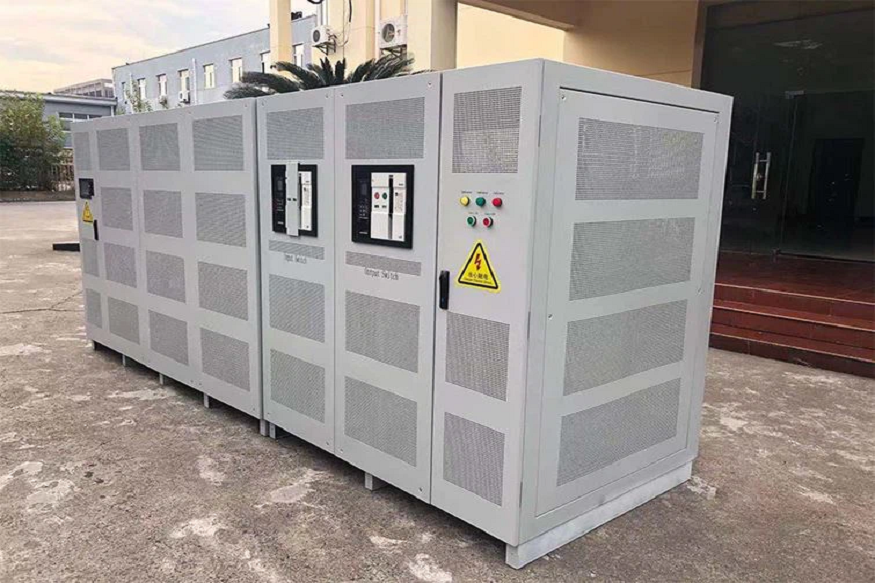
A solid state frequency converter is a vital piece of infrastructure for any operation that requires precise control over electrical frequency and voltage. Unlike their mechanical counterparts, who rely on rotating motor-generator sets, solid state units utilize high-power semiconductors and sophisticated digital control boards to transform electricity. Because they lack heavy moving parts, they are generally more efficient, quieter, and require less frequent intervention. However, the absence of a spinning shaft does not mean these units are maintenance-free. The sensitive electronic components within a Visicomm Industries solid state frequency converter are susceptible to environmental factors and electrical stress. Implementing a consistent maintenance routine is the most effective way to protect your investment, ensure operational safety, and prevent the costly downtime associated with unexpected hardware failure.
The Importance of Thermal Management and Airflow
The most significant threat to the longevity of a solid state frequency converter is heat. Semiconductors, capacitors, and transformers generate a considerable amount of thermal energy during the conversion process. If this heat is not efficiently dissipated, the internal temperature of the components can exceed their rated limits, leading to premature aging or catastrophic failure. Most units rely on a combination of internal heat sinks and high-velocity cooling fans to maintain a stable operating temperature.
A primary maintenance task is the regular inspection and cleaning of air intake filters and exhaust vents. Over time, dust and debris can accumulate on these surfaces, restricting airflow and forcing the cooling fans to work harder. In dusty or industrial environments, filters should be checked monthly and replaced or cleaned as necessary. Furthermore, it is essential to verify that the cooling fans are functioning correctly. A fan that is beginning to fail may emit a high-pitched whine or show a decrease in RPM. Replacing a failing fan is a minor expense that can prevent the total destruction of an expensive power module.
Maintaining a Clean and Dry Environment
While solid state converters are robust, they are not impervious to their surroundings. Dust and moisture are the dual enemies of electronic circuits. Fine particulate matter can settle on circuit boards, creating a layer of insulation that traps heat directly against sensitive components. More dangerously, certain types of industrial dust can be conductive, leading to short circuits or “arcing” between high-voltage traces. Moisture is equally destructive, as it can lead to corrosion on connectors and terminal blocks, increasing electrical resistance and heat.
Using clean, dry, low-pressure compressed air or a specialized electronics vacuum is the best way to remove dust from the interior of the cabinet. This should be done while the unit is completely powered down and locked out for safety. During this process, it is also wise to check for signs of moisture ingress, such as water spots or rust on the bottom of the enclosure. If the converter is located in a high-humidity area, consider utilizing space heaters or desiccant packs inside the cabinet to maintain a dry internal atmosphere when the unit is not in operation.
Conclusion
The transition to solid state technology has provided industries with unprecedented control over their power requirements, but this sophistication requires a disciplined approach to upkeep. By focusing on airflow management, environmental cleanliness, and the integrity of electrical connections, you can ensure that your frequency converter remains a reliable asset for many years. Maintenance is not merely about fixing what is broken; it is about creating an environment where failure is less likely to occur.
Taking a proactive stance toward the health of your power electronics pays dividends in the form of increased uptime and reduced emergency repair costs. A well-maintained converter will operate more efficiently, saving energy and providing the stable, clean power your equipment needs to perform at its best. Through regular inspection and a commitment to cleanliness, you can significantly extend the operational life of your solid state system, ensuring a high return on your investment.