Steam Iron vs Dry Iron: Which One Should You Actually Buy?
If you’ve ever stood in the appliance aisle trying to decide between a steam iron and a dry iron, you’re not alone — it’s one of the most common small-appliance dilemmas for Indian households. Both do the same basic job of smoothing wrinkles out of clothes, but they go about it differently, and the “better” choice really depends on your fabrics, your habits, and how much maintenance you’re willing to do.
This comparison breaks down Steam Iron vs Dry Iron across the factors that actually matter, so you can make a decision based on your own laundry routine rather than guesswork.
How They Work, in Simple Terms
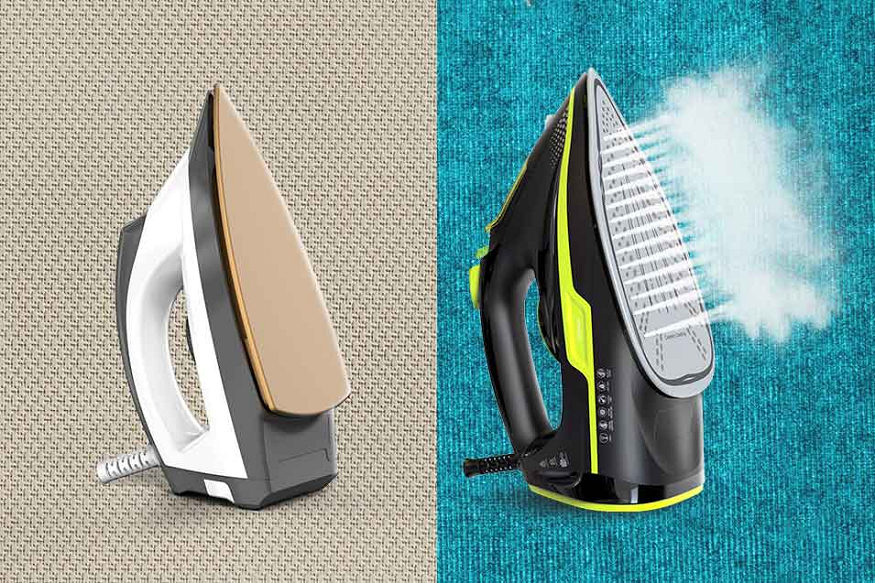
A dry iron has a solid, non-perforated soleplate. It heats up and relies purely on heat and pressure to smooth fabric — press, glide, repeat.
A steam iron has a perforated soleplate connected to an internal water reservoir. As it heats, it releases steam through those small holes, which helps relax the fibres of the fabric before the heat and pressure smooth them out. This is why steam irons are generally more effective on stubborn creases and thicker fabrics.
Read More: Affordable Electronic Recycling Services Near You
Performance on Different Fabrics
This is where the real difference shows up. Dry irons work well on lighter fabrics like cotton and linen that don’t have deep-set wrinkles. But on heavier materials — thick cottons, some synthetic blends, or clothes that have been packed tightly in a bag — a dry iron often needs more passes and more pressure to get the same result a steam iron achieves in one go.
Steam irons also tend to be gentler on delicate fabrics when used on the correct setting, since the steam does some of the work that would otherwise require pressing harder with just heat.
If your wardrobe is mostly cottons and simple fabrics: a dry iron will likely serve you fine. If you deal with a mix of fabric types, or fabrics that wrinkle easily: a steam iron will save you time and effort.
Speed and Effort
For light, everyday ironing, dry irons can actually be quicker since there’s no water to heat or steam settings to adjust — you switch it on and start. But for anything with deeper creases, a steam iron often gets the job done in fewer passes, which can offset the extra setup time.
Maintenance: The Trade-Off Nobody Talks About Enough
This is genuinely where dry irons pull ahead. There’s no water tank to fill, no risk of mineral deposits clogging steam vents, and nothing to clean out periodically.
Steam irons need occasional descaling, especially in regions with hard water, since mineral buildup can clog the steam vents over time and eventually affect performance. Many modern steam irons include a self-cleaning function to reduce this hassle, but it’s still an extra step dry iron owners don’t have to think about.
Price and Long-Term Cost
Dry irons are generally more affordable upfront, and since they have fewer components, they tend to have fewer things that can go wrong over time. Steam irons cost more initially and may need slightly more care to keep performing well, but the time saved on tough fabrics can make up for it if you iron frequently.
Weight and Handling
Steam irons, because of the water reservoir, are typically a bit heavier than dry irons. For people who iron for extended periods, this can matter — some prefer the lighter feel of a dry iron for comfort during long sessions, while others don’t notice much difference.
Quick Comparison Table
| Factor | Dry Iron | Steam Iron |
| Best for | Light fabrics, simple wrinkles | Mixed fabrics, stubborn creases |
| Maintenance | Minimal | Needs occasional descaling |
| Upfront cost | Lower | Higher |
| Weight | Lighter | Slightly heavier |
| Ease of use | Very simple | Slightly more setup |
So, Which One Should You Buy?
If your ironing needs are simple — mostly cottons, light wrinkles, occasional use — a dry iron is a practical, low-maintenance choice that does the job well without extra fuss.
Read More: Multi-Agent Architectures with Agentic LLMs: How They Work Together
If you handle a wider range of fabrics, deal with deeper creases regularly, or want a crisper finish on formal wear, a steam iron is worth the slightly higher cost and small amount of extra care.
Some households solve this dilemma by simply owning both — a dry iron for quick, everyday touch-ups and a steam iron for laundry day or formal outfits. Given how affordable both categories generally are, this “have both” approach isn’t unreasonable if your household does a genuinely wide mix of ironing.
Ultimately, the right choice comes down to being honest about your own habits: how often you iron, what you’re mostly ironing, and how much maintenance you’re willing to take on for a better finish. Once you’re clear on that, the decision tends to make itself.